Lost in Paradise: Wandering Koh Lipe’s Secret Corners
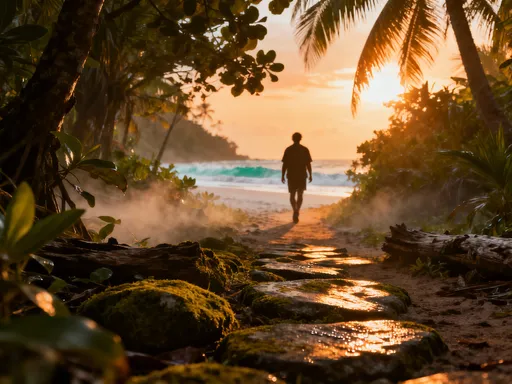
Have you ever just wandered with no map, no plan, and found something magical? That’s exactly what happened on Koh Lipe, Thailand’s hidden island gem. Drifting through sunlit pathways, I stumbled upon quiet beaches, local flavors, and untouched spots most tourists miss. This isn’t just a getaway—it’s a feeling. The soft crunch of sand underfoot, the whisper of palm fronds in the breeze, the sudden glimpse of turquoise water through the trees—these are the moments that stay with you. On this tiny island in the Andaman Sea, getting lost isn’t a mistake. It’s the entire point. Let me take you through the island’s soul, one unplanned step at a time.
The Art of Aimless Wandering
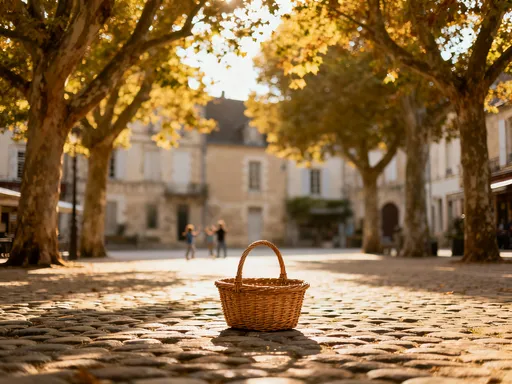
Wandering without a destination may seem inefficient, even reckless, to some. Yet in the world of travel, it is often the most rewarding way to experience a place. When we release the need for schedules and checklists, we open ourselves to serendipity. We notice details—the curve of a footpath, the scent of jasmine in a garden, the laughter from a roadside kitchen. On Koh Lipe, this kind of exploration feels not only possible but natural. The island is small, just over two square kilometers, making it easy to traverse on foot in a single day. Yet within that compact space lies an astonishing variety of landscapes and experiences.
Koh Lipe is part of the Tarutao National Marine Park, a protected area near the Malaysian border that has preserved much of its ecological integrity. Because of its remote location and limited development, the island retains a sense of quiet authenticity. There are no cars, no high-rise hotels, and no neon signs. Instead, life moves at the pace of the tides. Wooden longtail boats ferry visitors between piers, children walk barefoot to school along sandy lanes, and fishermen mend their nets under thatched shelters. This simplicity creates the perfect environment for wandering—not as a tourist, but as a temporary local.
What makes aimless exploration so powerful is its ability to shift our perspective. Instead of seeing Koh Lipe as a collection of attractions to conquer, we begin to feel it as a living, breathing place. We learn its rhythms: the early morning bustle at the docks, the midday lull when the sun hangs high, the evening transformation as lanterns flicker to life. Each unplanned turn reveals something new—a hidden bench with a sea view, a family grilling fresh squid, a quiet patch of forest where birds call unseen. These are not moments you can plan for. They happen only when you allow yourself to be present, to wander with intention but without expectation.
Sunrise Beach: Where the Day Begins in Silence
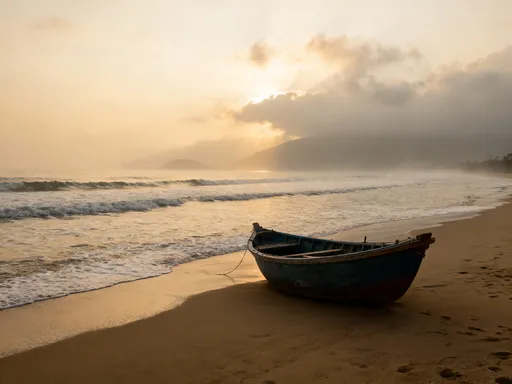
If Koh Lipe has a soul, it wakes first on Sunrise Beach. As the name suggests, this eastern-facing stretch of sand offers one of the most peaceful ways to begin the day. While other Thai islands roar to life with jet skis and music by 7 a.m., Sunrise Beach remains hushed, almost reverent. The sand here is fine and pale, cool underfoot in the early hours. The water is calm, gently lapping the shore in soft rhythms. Fishermen in longtail boats glide across the glassy surface, heading out to their daily catch. There is no rush, no urgency—just the quiet work of those who live by the sea.
Walking along Sunrise Beach at dawn feels like stepping into a private world. The light begins as a soft blush on the horizon, then deepens into gold as the sun rises. The water shifts from deep indigo to shimmering turquoise. Occasionally, a heron stalks the shallows, or a school of tiny fish darts through the tide pools. It’s not unusual to have the entire beach to yourself during the first hour of daylight. This solitude is rare in Southeast Asia’s more popular destinations, where sunrise often means crowds and photo ops. Here, it means reflection.
For travelers seeking authenticity, Sunrise Beach offers a glimpse into the island’s quieter side. Most visitors stay on Pattaya Beach, drawn by its convenience and energy. But those who make the short ten-minute walk east are rewarded with stillness. There are no beach bars or massage tables here, only a few wooden shacks where locals sell coffee and fresh fruit. The atmosphere is unpretentious and deeply calming. To experience it fully, arrive before 6:30 a.m., especially during the dry season from November to April when the skies are clearest. Wear comfortable sandals or go barefoot, and bring a light wrap—the morning breeze can be cool.
One of the most memorable moments I had on Koh Lipe happened here. Sitting on the sand with a warm cup of Thai coffee, I watched an elderly fisherman lower his nets with practiced ease. He didn’t speak, but nodded in greeting. Later, he returned with a small catch—silvery fish and a single lobster—and shared a few words with a neighbor. It was a simple exchange, but it spoke volumes about life on the island: patient, communal, rooted in nature. This is the kind of experience that doesn’t appear in guidebooks. It reveals itself only to those who wander with quiet hearts.
Pattaya Beach: The Heartbeat of Koh Lipe
If Sunrise Beach is the island’s quiet soul, Pattaya Beach is its lively pulse. Running along the western shore, this crescent of soft white sand is the central hub of activity on Koh Lipe. Unlike the crowded beaches of Phuket or Pattaya on the mainland, this version remains relaxed and human-scaled. There are no high-rises, no loud clubs, no aggressive vendors. Instead, a row of low-rise bungalows, family-run guesthouses, and open-air restaurants lines the shore, blending seamlessly with the natural environment. Palm trees shade wooden decks, and hammocks sway between posts, inviting visitors to slow down.
Pattaya Beach strikes a rare balance between accessibility and authenticity. It is easy to reach by speedboat from the mainland or nearby islands, yet it has resisted overdevelopment. The tourism here feels organic, shaped by the island’s geography and culture rather than corporate interests. Many of the businesses are owned by local families who have lived on Koh Lipe for generations. Their presence ensures that the island’s character remains intact, even as more visitors arrive each year. You’ll find Western-style cafes serving avocado toast and cold brew, but just steps away, a Thai grandmother fries banana pancakes over a charcoal stove.
Swimming in the waters off Pattaya Beach is safe and pleasant for most of the year. The seabed slopes gently, making it ideal for families with children. The water is typically clear, especially in the dry season, and snorkeling right from the shore can yield sightings of small reef fish and occasional sea turtles. For those who prefer to stay dry, the beach offers excellent people-watching. Travelers from Germany, France, Australia, and Japan mingle with Thai tourists and backpackers, all drawn by the island’s relaxed charm. Yet even at its busiest, the atmosphere remains low-key. There are no beach games or loud music—just the soft murmur of conversation and the occasional splash.
As evening approaches, Pattaya Beach transforms. The sun begins its descent, casting long shadows across the sand. Bars and restaurants light their lanterns, and the scent of grilled seafood fills the air. This is the perfect time to enjoy a fresh coconut or a glass of chilled white wine while watching the sky change colors. Unlike more commercialized islands, Koh Lipe does not have elaborate sunset parties or fire shows. The beauty here is in its simplicity. The day ends not with a bang, but with a gentle fade into twilight—a rhythm that feels deeply right.
Walking Street: A Slice of Local Nightlife
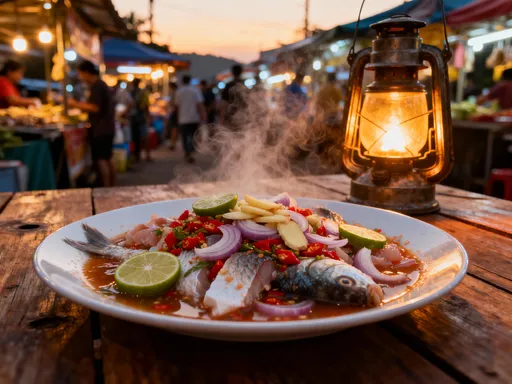
When darkness falls on Koh Lipe, the island’s social life gathers along Walking Street, a narrow lane that runs parallel to Pattaya Beach. True to its name, this is a place made for strolling—no vehicles, no noise, just a gentle flow of people enjoying the evening. Strings of fairy lights hang overhead, casting a warm glow on wooden stalls and open-air tables. The air is rich with the scent of lemongrass, chili, and grilled fish. Vendors serve everything from pad thai and mango sticky rice to fresh spring rolls and coconut ice cream. It’s not fine dining, but it is honest, delicious, and deeply satisfying.
What makes Walking Street special is its unpretentious warmth. There are no cover charges, no dress codes, no pressure to spend. Locals and tourists sit side by side on plastic stools, sharing tables and stories. Some stalls are run by women who have cooked the same recipes for decades. Others are managed by young entrepreneurs experimenting with fusion flavors—Thai-Mexican tacos, anyone? Live music is common, usually a solo guitarist or small acoustic band playing soft covers of international hits. The volume is low, meant to accompany conversation, not dominate it.
For visitors, this is the perfect place to try authentic Southern Thai cuisine. One must-try dish is gaeng som pla, a sour and spicy fish curry made with tamarind and fresh herbs. Another favorite is grilled squid served with a spicy dipping sauce. For dessert, mango with sticky rice is always a winner, especially when the fruit is ripe and fragrant. If you’re feeling adventurous, try kanom jeen nam ya, a traditional noodle dish served with a rich fish-based curry. Portions are generous, prices are fair, and the experience is unforgettable.
Navigating Walking Street is easy. The lane is short—less than 200 meters—and everything is within walking distance. It’s best to arrive between 6:30 and 8:30 p.m., when the food is fresh and the mood is lively but not crowded. Bring cash, as most vendors do not accept cards. Wear comfortable shoes, though the ground is flat and well-maintained. And most importantly, come hungry. This isn’t just a meal—it’s a celebration of island life, a nightly ritual that brings people together in the simplest, most joyful way.
Sunset Beach: Nature’s Daily Masterpiece
Though smaller and less developed than Pattaya Beach, Sunset Beach is, for many, the island’s most beautiful spot. Facing west, it offers uninterrupted views of the Andaman Sea, where the sun dips below the horizon in a blaze of orange, pink, and gold. Unlike the crowded sunset viewpoints of Phuket or Railay, this beach remains peaceful, even during peak season. There are no loudspeakers, no crowds of influencers with tripods, no vendors shouting promotions. Just the sea, the sky, and the soft murmur of waves.
The sand here is slightly coarser than on other beaches, but the water is just as clear. A few low-slung resorts and private bungalows dot the shoreline, but they are set back from the beach, preserving the natural beauty. There are no sunbeds for rent, no umbrella stands—just patches of shade under the trees. This lack of commercialization is intentional. The island’s environmental regulations limit construction and tourism infrastructure, ensuring that places like Sunset Beach remain as close to their natural state as possible.
For those seeking stillness, this is the perfect place to pause. Many visitors come here not to swim, but to sit and reflect. The act of watching the sunset becomes a kind of meditation. As the light changes, so does your mood. The day’s worries seem to dissolve with the fading sun. Some bring journals, others simply close their eyes and breathe. It’s not unusual to see couples sitting in silence, or solo travelers sketching in notebooks. The atmosphere is one of quiet reverence, as if everyone understands they are witnessing something sacred.
To find the best view, walk to the southern end of the beach, where a small rocky outcrop offers a slightly elevated vantage point. This spot is ideal for photography, especially with a wide-angle lens. Arrive at least 30 minutes before official sunset time to secure a good position. Bring a light jacket—the breeze can pick up as the temperature drops. And consider staying a little longer. As the stars begin to appear, the sky takes on a deep indigo hue, and the sound of the waves grows louder in the darkness. In that moment, you’ll understand why so many return to Koh Lipe again and again.
Off-the-Beaten-Path: Hidden Clearings and Secret Trails
Between the three main beaches—Sunrise, Pattaya, and Sunset—lie quiet trails that few tourists follow. These narrow paths, often marked only by footprints, wind through patches of tropical forest and scrubland. They lead to hidden coves, rocky inlets, and quiet overlooks where the only sound is the wind and the distant call of birds. These are the island’s secret corners, known mostly to locals and long-term visitors. To find them, you must wander without a map, trusting your curiosity more than your GPS.
One such path begins behind a small convenience store near the northern end of Pattaya Beach. It climbs gently into the trees, then splits in two. The left fork leads to a quiet clearing with a bench and a view of the sea. The right descends toward a secluded stretch of sand where the tide has left behind shells and sea glass. Another trail, near the southern tip of the island, follows a ridge line and offers panoramic views of nearby islets. These spots have no names, no signs, no facilities. They exist outside the tourist economy, untouched by development.
Exploring these areas is exhilarating, but it must be done responsibly. Koh Lipe is part of a protected marine park, and its ecosystem is fragile. Visitors should practice the principles of Leave No Trace: carry out all trash, avoid disturbing wildlife, and stay on existing paths. Never light fires or remove natural objects like shells or coral. Respect the privacy of local residents, many of whom live in simple homes along these routes. And always be aware of the tides—some paths become impassable during high water.
Proper footwear is essential. While the main beaches are sand, the trails can be rocky, root-covered, or slippery after rain. Closed-toe sandals or light hiking shoes are recommended. Bring water, sunscreen, and a hat, especially during the midday sun. And tell someone where you’re going, even if it’s just a quick word to your guesthouse owner. The joy of discovery is greatest when it’s safe and sustainable. These hidden places are not just rewards for the curious—they are reminders that true beauty often lies off the beaten path.
Island Hopping: Expanding the Wander Beyond Koh Lipe
While Koh Lipe is captivating on its own, the surrounding waters hold even more wonders. Boat tours to nearby islets like Koh Adang and Koh Rawi are among the most popular activities for visitors. These excursions typically last a full day and include snorkeling, beach time, and guided walks through protected forests. Unlike the crowded day trips of Phi Phi or James Bond Island, these tours are small, eco-conscious, and deeply immersive.
Koh Adang, the largest island in the Tarutao archipelago, is home to dense rainforest, freshwater streams, and ranger-led nature trails. Visitors can hike to viewpoints that offer sweeping panoramas of the Andaman Sea. The island has no permanent residents, only park rangers and research staff, which helps preserve its pristine condition. Koh Rawi, a smaller and even more secluded island, is known for its dramatic cliffs and excellent snorkeling spots. The coral here is vibrant, and it’s common to see parrotfish, clownfish, and even reef sharks in the clear waters.
These trips deepen your connection to the region’s natural beauty and ecological significance. The Tarutao National Marine Park was established in 1974 to protect one of Thailand’s most biodiverse marine ecosystems. It is home to over 80 species of coral and hundreds of fish species. By choosing eco-conscious tour operators—those who follow park regulations, limit group sizes, and educate visitors about conservation—you become part of the effort to preserve this fragile environment.
When booking a tour, look for operators who use sustainable practices: biodegradable sunscreen is often required, feeding fish is prohibited, and anchoring is done only in designated zones to protect the seabed. Most tours include lunch, usually a simple but delicious Thai meal served on the beach. The pace is relaxed, with plenty of time to swim, snorkel, or simply float in the warm water. These journeys are not about checking off destinations—they are about expanding your sense of wonder, one island at a time.
Why Wandering Matters
In a world that glorifies productivity and efficiency, the act of wandering may seem like a luxury, even a waste of time. But on Koh Lipe, it becomes a form of wisdom. It teaches us to slow down, to notice, to be present. The most meaningful moments of travel are rarely the ones we plan. They are the unplanned conversations, the unexpected views, the quiet mornings on empty beaches. They happen when we let go of control and allow ourselves to be guided by curiosity.
Koh Lipe is more than a destination. It is a reminder that beauty exists in simplicity, that connection grows from stillness, and that the best journeys are often the ones without maps. For women in their thirties, forties, and beyond—many of whom carry the weight of responsibilities at home and work—this island offers a rare gift: permission to wander, to breathe, to rediscover joy in the small things.
So when you go, leave the itinerary behind. Step off the main path. Let the island guide your steps, not your schedule. Walk barefoot in the sand, taste food from a stall with no name, sit and watch the sun dip below the sea. These are the moments that stay with you, long after the tan has faded and the suitcase is unpacked. This is the art of wandering. This is the soul of travel. And this, perhaps, is what paradise feels like.