You Gotta See These Jaw-Dropping Landmarks in Sharjah – Mind-Blowing Architecture Awaits
If you think the UAE is only about Dubai’s skyscrapers, think again. Sharjah, the cultural heartbeat of the Emirates, stunned me with its bold, beautiful landmark buildings that blend tradition and modernity like nowhere else. From towering mosques to futuristic museums, every structure tells a story. This isn’t just sightseeing—it’s a journey through art, history, and identity. Let me show you the side of Sharjah most visitors completely miss.
Discovering Sharjah’s Architectural Soul
Often overshadowed by its glitzier neighbors, Sharjah stands apart as a guardian of Emirati culture and architectural integrity. Unlike the race toward vertical ambition seen elsewhere in the Gulf, Sharjah has chosen a different path—one rooted in preservation, education, and aesthetic harmony. The city's skyline is not defined by height but by meaning. Each landmark building serves as both a functional space and a symbolic gesture toward heritage, community, and thoughtful urban living. This deliberate approach makes Sharjah not just a destination to visit, but a place to understand.
What sets Sharjah’s architecture apart is its refusal to imitate. While other cities import global design trends, Sharjah draws deeply from Islamic and regional traditions—reinterpreting wind towers, courtyards, geometric tilework, and calligraphic motifs in fresh, contemporary ways. The result is an architectural language that feels both familiar and innovative. Buildings are not just structures; they are storytellers, reflecting centuries of Gulf history while embracing modern life. This balance is especially evident in public spaces where locals and tourists alike gather, learn, and reflect.
Walking through Sharjah, one notices how seamlessly buildings integrate with their surroundings. Wide promenades invite strollers, shaded arcades protect from the sun, and water features provide cooling relief. Urban planning here prioritizes human scale and comfort over spectacle. The city’s commitment to cultural authenticity is further reinforced by strict building codes that preserve traditional design elements. As a result, even newer developments echo the past without feeling like replicas. For travelers seeking depth beyond luxury, Sharjah offers a rare glimpse into how architecture can shape identity and foster connection.
The Iconic Sharjah Mosque: A Symphony in White Stone
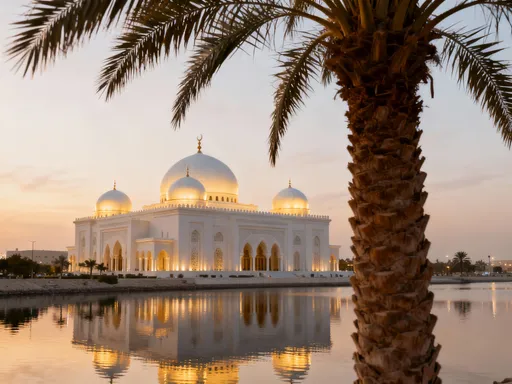
Rising gracefully along the Khalid Lagoon, Al Noor Mosque is one of Sharjah’s most breathtaking architectural achievements. Constructed entirely from white Portuguese limestone, the mosque gleams under the sun like a vision from a classical Islamic manuscript. Its design draws inspiration from Ottoman and Fatimid traditions, blending grand domes, slender minarets, and intricate archways into a harmonious whole. Though it is not the largest mosque in the UAE, its beauty lies in its elegance, proportion, and serene setting—a quiet sanctuary amidst the city’s rhythm.
What makes Al Noor Mosque truly special is its accessibility. Unlike many mosques in the region that are reserved for worshippers, Al Noor welcomes visitors through guided tours, offering rare insight into Islamic architecture and spiritual life. These tours, led by knowledgeable local guides, walk guests through the prayer halls, explaining the symbolism behind the dome’s height, the orientation toward Mecca, and the use of light and space to inspire contemplation. The vast central dome, supported by graceful columns, creates a sense of openness and reverence, while the surrounding courtyards offer peaceful retreats shaded by palm trees.
The mosque’s waterfront location enhances its ethereal quality. At sunset, golden light reflects off the lagoon, casting a soft glow on the stone façade. The gentle sound of water and the distant call to prayer create a deeply calming atmosphere. Architecturally, the building demonstrates how form follows function—every element serves a purpose, from ventilation systems hidden within the wind-inspired arches to the placement of windows that maximize natural light without glare. Al Noor Mosque is not only a place of worship but a living classroom in Islamic design, inviting all who visit to appreciate the depth and dignity of its architecture.
Sharjah Arts Building: Where Creativity Meets Heritage Design
Nestled in the heart of the Arts Area, the Sharjah Arts Building is a shining example of adaptive reuse and cultural revival. Housed in a restored early 20th-century structure, the building once served as a residence for a prominent merchant family. Today, it functions as a dynamic hub for local artists, hosting exhibitions, workshops, and performances that celebrate Emirati creativity. The transformation preserved key architectural features—traditional wind towers, coral stone walls, and ornate wooden latticework—while integrating modern lighting, climate control, and exhibition systems.
The wind towers, or *barjeels*, are among the most striking elements. These vertical shafts, once used for natural cooling, now stand as symbols of sustainable design long before the term existed. Inside, the open-plan galleries flow around a central courtyard, where date palms sway under the open sky. The interplay of light and shadow throughout the day gives the space a changing character—bright and energetic in the morning, soft and introspective in the late afternoon. This sensitivity to time and atmosphere enhances the artistic experience, making the building itself a form of living art.
Visitors are encouraged to explore not just the exhibitions but the architecture itself. Information panels explain the restoration process, highlighting the craftsmanship involved in repairing hand-carved doors and reassembling historic roofing elements. The building’s design fosters intimacy and connection—unlike vast, sterile galleries, this space feels personal, almost domestic. Artists benefit from studio spaces tucked into the wings, allowing the public to witness creation in progress. For families and art lovers, the best time to visit is during the annual Sharjah Art Foundation events, when the entire neighborhood comes alive with installations, music, and open-air performances. The Sharjah Arts Building proves that heritage and innovation are not opposites—they are partners in cultural expression.
The Enigma of the Sharjah Central Souq (Al Mureijah)
No visit to Sharjah is complete without stepping into the Al Mureijah Souq, a landmark marketplace where architecture and commerce blend in perfect harmony. Also known as the Blue Souq for its distinctive cobalt-tiled domes, this sprawling complex is a feast for the senses and a masterclass in Islamic design. The arcade-style layout, with its repeating arches and covered walkways, channels cool air and provides shade—a practical response to the desert climate that also creates a mesmerizing visual rhythm. As sunlight filters through the domes, it casts intricate patterns on the mosaic floors, transforming the space into a living kaleidoscope.
Every element of the souq’s design serves a dual purpose. The domes, inspired by traditional mosque architecture, are not merely decorative; they allow hot air to rise while drawing in breezes from below. The narrow, winding alleys encourage foot traffic to slow down, inviting exploration and discovery. Shops are arranged by category—spices, textiles, gold, perfumes—making navigation intuitive while preserving the organic charm of a traditional bazaar. The scent of saffron and oud fills the air, mingling with the sound of hushed bargaining and the clink of silverware, creating an immersive experience that transcends shopping.
The Blue Souq is more than a marketplace—it is a social and cultural hub. Families gather here on weekends, children dart between stalls, and elders sip Arabic coffee in shaded corners. The architecture fosters community by creating intimate spaces within a larger structure. Renovated in the 1990s with respect for original design principles, the souq remains a model of how traditional forms can support modern commerce. Visitors should come early in the morning or late in the evening to avoid the midday heat and enjoy the souq at its most vibrant. Whether you’re buying handmade incense or simply soaking in the atmosphere, the Al Mureijah Souq offers a profound lesson in how thoughtful design can elevate everyday life.
Sharjah Museum of Islamic Civilization: A Treasure in a Restored Heritage Building
Located in the historic Heart of Sharjah district, the Sharjah Museum of Islamic Civilization occupies a beautifully restored 19th-century school, Al-Idrisi. This transformation—from educational institution to cultural repository—mirrors the building’s enduring mission: to enlighten and inspire. The restoration preserved original coral stone walls, arched doorways, and handcrafted wooden beams, blending them seamlessly with modern museum infrastructure. Natural light plays a central role in the design, with strategically placed skylights and glass panels illuminating artifacts without damaging delicate textiles or manuscripts.
The museum’s interior unfolds like a journey through time and space. Galleries are organized thematically—science, art, daily life, faith—each housed in a distinct wing connected by shaded corridors. One of the most striking features is the central prayer hall, now a display space for historic Qur’ans and calligraphy. The high ceiling and intricate plasterwork draw the eye upward, encouraging reflection. In the science wing, astrolabes, celestial maps, and ancient medical instruments are displayed behind climate-controlled glass, showcasing the intellectual achievements of the Islamic Golden Age. The building itself becomes part of the narrative, proving that preservation and modernization can coexist.
What makes this museum exceptional is its accessibility. Clear signage, multilingual guides, and interactive touchscreens make the content engaging for visitors of all ages. Families often spend hours exploring the children’s corner, where kids can try calligraphy or assemble geometric patterns. The museum also hosts regular lectures and cultural nights, turning the space into a living forum for dialogue. By honoring the past without freezing it in time, the Sharjah Museum of Islamic Civilization demonstrates how architecture can serve as a bridge between generations. It is not a monument to what was, but a platform for what still matters.
Modern Marvels: The Sharjah Science Museum and Family-Friendly Design
While Sharjah honors its past, it also invests boldly in the future—nowhere more clearly than at the Sharjah Science Museum. Designed with families and young learners in mind, the building combines playful aesthetics with serious educational intent. Its architecture features bright geometric shapes, interactive exterior panels, and child-scaled doorways that make children feel welcome from the moment they arrive. Large glass facades flood the interior with light, while shaded overhangs protect from the sun, creating a comfortable environment for exploration.
Inside, the museum is organized into themed zones—space, nature, technology, and the human body—each designed to spark curiosity through hands-on exhibits. But the building itself is part of the lesson. Solar panels on the roof demonstrate renewable energy, water-saving fixtures teach conservation, and ventilation systems use natural airflow principles inspired by traditional Emirati homes. The design subtly reinforces the museum’s mission: to make science visible, tangible, and relevant. Even the rest areas feature educational murals and seating shaped like molecules and planets, ensuring that learning never stops.
What sets this museum apart is its inclusivity. Ramps, tactile displays, and audio guides ensure accessibility for visitors with different abilities. Staff are trained to engage children with patience and enthusiasm, often turning simple questions into mini-lessons. The outdoor science park extends the experience beyond walls, with interactive water tables, optical illusions, and a small planetarium. For parents, the museum offers a rare combination: a place where kids are fully engaged, safe, and inspired. The Sharjah Science Museum proves that thoughtful architecture can do more than house exhibits—it can shape behavior, encourage discovery, and nurture young minds.
Beyond the City: Al Majaz Waterfront and Urban Landscape Integration
Just a short walk from the city center, Al Majaz Waterfront offers a stunning example of how architecture and landscape can come together to create vibrant public life. This expansive promenade stretches along the Khalid Lagoon, connecting parks, restaurants, performance spaces, and residential areas into a cohesive urban tapestry. At its heart stands the iconic Clock Tower, a modern landmark with illuminated faces that glow at night, becoming a focal point for gatherings and celebrations. The amphitheater nearby hosts concerts and cultural festivals, its curved design echoing the shape of traditional desert encampments.
The entire area is designed for people, not vehicles. Wide pedestrian paths, shaded seating, and water fountains encourage leisurely movement and social interaction. The use of local materials—sand-colored stone, wooden accents, and reflective tiles—creates visual continuity with Sharjah’s architectural heritage. Lighting is carefully calibrated: soft and warm in the evening, enhancing safety without overpowering the natural ambiance. Families picnic on the grass, joggers circle the lagoon, and children play in dedicated zones with splash pads and climbing structures.
Al Majaz also showcases sustainable urban design. Native plants reduce water usage, solar-powered lights minimize energy consumption, and permeable surfaces allow rainwater to recharge the ground. The integration of art—sculptures, light installations, and calligraphy panels—adds cultural depth to the space. Whether you’re watching the synchronized fountain show or simply sitting by the water at dusk, Al Majaz feels like a celebration of community and beauty. It is not just a place to visit, but a model of how cities can design for well-being, connection, and joy.
Final Thoughts: Why Sharjah’s Buildings Tell a Deeper Story
Sharjah’s landmarks are more than just beautiful structures—they are declarations of identity, resilience, and vision. In a region often associated with rapid development and luxury, Sharjah chooses a different narrative: one of cultural continuity, thoughtful design, and human-centered spaces. Each building, whether ancient or modern, serves a purpose beyond aesthetics. They educate, inspire, and bring people together. They remind us that architecture is not just about what we build, but why we build it.
What makes Sharjah truly remarkable is its consistency. From the quiet dignity of Al Noor Mosque to the playful energy of the Science Museum, there is a common thread: respect for heritage, commitment to community, and belief in the power of beauty to uplift. These values are embedded in the stone, tile, and steel of every landmark. Travelers who take the time to look closely will find more than photo opportunities—they will discover a city that builds with intention and soul.
So when you plan your next trip to the UAE, go beyond the obvious. Step into Sharjah with curiosity and an open mind. Walk its souqs, stand beneath its domes, and let its architecture speak to you. You’ll come away not just with memories, but with a deeper understanding of how places shape who we are. In a world that often moves too fast, Sharjah invites us to pause, reflect, and appreciate the enduring power of thoughtful design. Explore not just with your eyes, but with your heart—and let the landmarks of Sharjah leave their mark on you.