You Won’t Believe What We Found in Nha Trang
Nha Trang, Vietnam, is more than just a beach destination—it’s a gateway to hidden wonders and breathtaking landscapes waiting to be explored. I never expected such diversity: from quiet offshore islands to misty mountain trails, every turn revealed something new. This is not just a vacation; it’s a journey of discovery, where scenic beauty meets authentic moments. If you're looking for places that feel untouched and real, you gotta check this out. With its warm tropical climate, welcoming locals, and a rhythm that balances relaxation and adventure, Nha Trang offers a rare blend of accessibility and authenticity. Whether you’re a first-time visitor to Vietnam or returning to rediscover its coastal charm, this city invites you beyond postcard views into experiences that linger long after you’ve returned home.
The First Glimpse: Arriving in Nha Trang
Stepping off the plane at Cam Ranh International Airport, just a short transfer from Nha Trang, the warmth of the coastal air wraps around you like a gentle embrace. The scent of saltwater mingles with blooming frangipani, and the distant shimmer of the South China Sea hints at the beauty ahead. As the coastline comes into view, the city unfolds along a sweeping bay framed by green hills—its skyline dotted with pagodas, modern hotels, and clusters of fishing boats bobbing near the shore. Nha Trang strikes an immediate balance between vibrancy and serenity, a place where urban energy meets natural calm.
Unlike other beach towns that feel overly commercialized, Nha Trang maintains a grounded local character. Fishermen mend their nets along the waterfront in the early morning, while families gather at dusk to stroll the seaside promenade. Street vendors serve fresh coconut and grilled corn, their carts lit by soft lanterns as the sun dips below the horizon. This blend of everyday life with tourist-friendly amenities makes Nha Trang stand out among Vietnam’s coastal destinations. It is accessible—well-connected by domestic flights and road routes—but still rich with pockets of quiet and discovery.
What truly sets Nha Trang apart is its geographic diversity. Within a short distance from the city center, travelers can reach coral-rich islands, jungle-covered mountains, and secluded bays that feel worlds away from the mainland. While many visitors come for the golden sands and lively beachfront cafes, the deeper appeal lies in what lies beyond: trails that lead to waterfalls, boats that glide toward uninhabited islets, and villages where time moves a little slower. For those willing to explore, Nha Trang offers not just relaxation, but revelation.
Island Hopping Beyond the Tourist Trail
One of the most rewarding ways to experience Nha Trang’s natural beauty is by venturing offshore. The waters surrounding the city are home to a string of islands, each with its own distinct charm. Among them, Hon Mun stands out as a marine conservation area renowned for its vibrant coral reefs and crystal-clear waters. Snorkelers and divers often describe it as an underwater garden, where schools of tropical fish dart through swaying sea fans and hard coral formations create a mosaic of color beneath the surface. Because access is regulated to protect the ecosystem, only a limited number of eco-conscious tour operators are permitted to bring visitors here, ensuring a more sustainable and intimate experience.
Another gem is Hon Traw, a quieter island where powdery white sand meets dense coastal foliage. Unlike the more crowded destinations, Hon Traw offers a sense of seclusion, with fewer tourists and a relaxed pace. Small-group tours often include a homemade lunch on the beach, prepared by local cooks using fresh seafood and tropical fruits. These intimate excursions allow travelers to swim in calm coves, nap under palm trees, or simply float in the warm, buoyant water—moments of pure escape that feel both indulgent and grounding.
To make the most of island hopping, timing and preparation are key. The dry season, from January to August, offers the calmest seas and clearest visibility for snorkeling. Travelers should pack reef-safe sunscreen, a wide-brimmed hat, and a reusable water bottle to minimize environmental impact. Choosing a responsible tour operator matters—look for those that avoid anchoring on coral, limit group sizes, and educate guests about marine conservation. Many small, locally owned companies now offer eco-friendly charters that support community livelihoods while preserving the delicate balance of these island ecosystems.
Island exploration in Nha Trang is more than a day trip—it’s a chance to disconnect from routine and reconnect with nature’s rhythms. The gentle rocking of the boat, the sound of waves lapping against the hull, and the sudden sight of a sea turtle gliding beneath the surface all contribute to a sense of wonder. These moments remind us that beauty often lies just beyond the well-trodden path, waiting to be discovered by those who seek it with care and curiosity.
The Magic of Bai Tru: A Hidden Coastal Gem
For travelers eager to escape even the popular island routes, Bai Tru offers a rare glimpse of untouched coastal beauty. Tucked away along a quiet stretch of coastline south of Nha Trang, this secluded bay is accessible only by boat or a rugged coastal trail. Its turquoise waters are framed by dramatic limestone cliffs draped in emerald greenery, creating a landscape that feels more like a dream than a real destination. Few tourists make the journey here, and those who do are rewarded with silence, space, and the kind of natural clarity that renews the spirit.
Reaching Bai Tru is part of the adventure. Some visitors hire a local fishing boat from a nearby village, while others opt for guided hikes that follow narrow paths through coconut groves and coastal scrub. The effort to arrive enhances the sense of discovery—there are no resorts, no souvenir stalls, no crowds. Just the sound of waves, the cry of seabirds, and the occasional splash of a fish breaking the surface. Once there, swimming in the bay feels like floating in a private lagoon. The water is cool and clear, perfect for snorkeling, where small reef patches teem with colorful fish and sea urchins nestled among the rocks.
What makes Bai Tru truly special is its authenticity. This is not a staged experience; it is a place lived in and protected by nearby communities. Local families sometimes visit to fish or gather shellfish, using traditional methods passed down through generations. Travelers are welcomed as long as they respect the environment and local customs—leaving no trace, avoiding loud noises, and refraining from touching coral or disturbing wildlife. The absence of commercial development preserves Bai Tru’s magic, but also means visitors must come prepared with water, snacks, and sun protection, as no facilities are available on-site.
Bai Tru represents the heart of what makes Nha Trang so compelling: the coexistence of beauty and simplicity. It is a reminder that not every destination needs amenities to be unforgettable. Sometimes, the most profound travel moments come from stillness, from sitting on a quiet shore and watching the light shift across the water as the day unfolds. For families, couples, or solo travelers seeking a deeper connection with nature, Bai Tru offers a sanctuary—one that feels like a secret, even in an age of digital maps and instant information.
Up the Hills: Discovering Yang Bay Waterfall and Nature Park
Just a short drive inland from Nha Trang’s coastline, the landscape transforms. The salty sea breeze gives way to the cool, misty air of the highlands, where dense forests climb steep hills and waterfalls cascade down moss-covered rocks. Yang Bay Waterfall and Nature Park sits in this lush terrain, offering a refreshing contrast to beach-based activities. More than just a scenic spot, it is a place of cultural and ecological significance, where visitors can learn about the traditions of the indigenous ethnic groups while immersing themselves in nature’s tranquility.
The centerpiece of the park is the waterfall itself—a powerful cascade that plunges into a wide, rocky pool below. Visitors can walk along shaded trails to reach viewing platforms, or wade into the cool, clear water at the base. The sound of falling water creates a natural soundtrack, soothing and energizing at once. Surrounding the falls are walking paths that wind through bamboo groves and native trees, home to a variety of birds and small wildlife. One of the park’s unique features is its bird of prey sanctuary, where trained handlers demonstrate the traditional practice of bird hunting, a custom once used by local tribes for survival. These demonstrations are not just entertaining—they offer insight into a way of life deeply connected to the land.
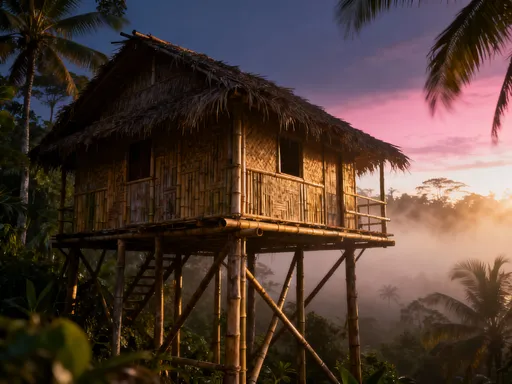
Yang Bay also includes a cultural village where visitors can see traditional stilt houses, listen to folk music performances, and even try their hand at playing ancient instruments. The music, often performed on bamboo flutes and stringed instruments, carries a haunting beauty that echoes through the trees. Local artisans demonstrate crafts such as weaving and pottery, preserving skills that might otherwise fade with time. For families, this blend of nature and culture provides a meaningful experience—children learn through play and observation, while adults appreciate the depth of knowledge held by the community.
What makes Yang Bay especially valuable is its balance. It is developed enough to be accessible—paths are well-maintained, signage is clear, and rest areas are available—but not so commercialized that it loses its authenticity. Entrance fees support conservation efforts and local employment, ensuring that tourism contributes positively to the region. For travelers looking to diversify their itinerary, a visit to Yang Bay offers adventure, education, and peace, all in a single day. It is a reminder that Nha Trang’s wonders extend far beyond the shoreline, into the heart of Vietnam’s rich cultural and natural heritage.
Sunrise at Vinh Lo Beach: A Moment of Stillness
While many flock to Nha Trang’s main beaches at midday, those who rise early are rewarded with a different kind of beauty—one defined by quiet and simplicity. Vinh Lo Beach, a small fishing village just north of the city, offers one of the most serene sunrise experiences in the region. Long before the tourist crowds arrive, the beach is alive with the rhythms of local life. Fishermen haul in their nets, sorting the night’s catch under the soft glow of dawn. Children walk barefoot along the shore, collecting shells and chasing small crabs. The sky shifts from deep indigo to soft gold, painting the water in shimmering hues as boats glide across the horizon.
There is a meditative quality to this time of day. The air is cool, the sand is empty, and the only sounds are the lap of waves and distant voices calling out in Vietnamese. Sitting on the shore with a warm cup of tea from a roadside stall, it’s easy to feel a deep sense of presence. This is not a performance for tourists; it is real life unfolding in its most ordinary and beautiful form. For travelers accustomed to busy schedules and constant stimulation, moments like these offer a rare reset—a chance to slow down, breathe, and simply be.
Vinh Lo is not a polished resort beach. Its charm lies in its authenticity. There are no lounge chairs, no music, no vendors shouting offers. Instead, there are weathered wooden boats pulled ashore, nets drying in the sun, and the occasional dog trotting along the water’s edge. Visitors are welcome, but expected to observe quietly and respectfully. A few family-run cafes serve strong Vietnamese coffee and simple breakfasts of rice porridge and fresh fruit, offering warmth and hospitality without pretense.
Experiencing a sunrise at Vinh Lo is more than a photo opportunity—it is a lesson in mindfulness. It teaches us to appreciate the quiet moments, the unnoticed details, the beauty of routine. For mothers, wives, and women managing the complexities of daily life, this kind of stillness can be profoundly restorative. It is a reminder that peace is not always found in grand escapes, but in small, intentional pauses. By choosing to witness the beginning of the day in a place untouched by spectacle, travelers gain not just memories, but a renewed sense of calm.
Why Scenic Spots Matter: The Emotional Impact of Nature
The experiences found in Nha Trang—whether swimming in a hidden bay, hiking to a mountain waterfall, or watching fishermen at dawn—are more than just sightseeing. They have a measurable effect on emotional well-being. Studies in environmental psychology consistently show that exposure to natural beauty reduces stress, lowers blood pressure, and improves mood. The combination of sunlight, fresh air, and rhythmic natural sounds—like waves or birdsong—triggers a relaxation response in the body, helping to counteract the effects of chronic stress common in modern life.
For many women in their 30s to 50s, who often juggle family, work, and caregiving responsibilities, travel to scenic destinations offers more than a break—it offers renewal. Being in nature allows space for reflection, creativity, and emotional reset. The act of walking barefoot on sand, feeling a cool breeze on the skin, or watching sunlight dance on water engages the senses in a way that screens and schedules cannot. These sensory experiences ground us, pulling attention away from worries and into the present moment.
Nha Trang’s diverse landscapes provide multiple pathways to this kind of restoration. The ocean offers vastness and rhythm, evoking a sense of freedom. The mountains bring elevation and clarity, both literal and metaphorical. The quiet villages remind us of simplicity and connection. Each environment speaks to a different emotional need, making the region especially valuable for holistic well-being. When travelers choose to explore mindfully—focusing on experience over checklist tourism—they open themselves to deeper benefits. They are not just collecting photos; they are creating emotional anchors, memories that can be revisited during stressful times at home.
This is the true power of scenic travel: it doesn’t just change your view of the world—it changes how you feel within it. By stepping into nature with intention, travelers invite transformation, not through dramatic events, but through quiet, cumulative moments of beauty and presence.
Planning Your Own Discovery Journey: Practical Tips for Travelers
For those inspired to explore Nha Trang beyond the surface, thoughtful planning ensures a smooth and meaningful journey. The ideal time to visit is during the dry season, from January to August, when rainfall is minimal and temperatures remain comfortably warm. September through December can bring storms and rough seas, making island trips less reliable. Booking accommodations in the central beachfront area offers convenience, while staying slightly north or south of the main strip can provide quieter surroundings without sacrificing access.
Transportation options are varied. Taxis and ride-hailing apps like Grab are widely available, and renting a bicycle or scooter allows for flexible exploration at your own pace. For island trips and inland excursions, hiring a local guide enhances both safety and understanding. Many guides are fluent in English and deeply knowledgeable about the region’s ecology and culture. They can help navigate trails, recommend ethical tour operators, and facilitate respectful interactions with communities.
Safety is generally excellent in Nha Trang, but basic precautions apply. Stay hydrated, use sun protection, and be cautious when swimming in strong currents. Always check weather conditions before heading to remote areas. For families, choosing accommodations with pools and kid-friendly amenities can ease travel with children, while also allowing parents time to relax.
Sustainable travel practices are essential to preserving Nha Trang’s beauty. Avoid single-use plastics, carry a reusable bag and water bottle, and support local businesses—from family-run guesthouses to village-based tour guides. Respect cultural norms by dressing modestly when visiting temples or rural areas, and always ask permission before photographing people. By traveling with curiosity and care, visitors help ensure that places like Bai Tru, Yang Bay, and Vinh Lo remain unspoiled for future generations.
Conclusion: More Than Just Views—A Deeper Connection
Nha Trang is not just a destination; it is an invitation—to explore, to reflect, to reconnect. From the coral gardens beneath the waves to the misty heights of the highlands, from the quiet dawn of a fishing village to the laughter of children on a hidden beach, this city offers a tapestry of experiences that engage both the senses and the soul. What makes it unforgettable is not only the beauty of its landscapes, but the authenticity of its moments.
Travelers who venture beyond the obvious discover more than places—they discover parts of themselves. In the stillness of a sunrise, the challenge of a trail, or the warmth of a local smile, there is space to breathe, to remember what matters, and to return home with more than souvenirs. Nha Trang reminds us that the best journeys are not measured in miles, but in moments of connection—with nature, with culture, and with our own inner calm.
So pack your bag with intention. Leave room not just for sunscreen and swimsuits, but for wonder and openness. Let the rhythm of the waves guide you, the scent of the jungle inspire you, and the quiet beauty of everyday life remind you of what’s possible. In Nha Trang, discovery is not just an activity—it’s a way of traveling, and perhaps, a way of living.