You Gotta Taste This: The Real Flavors of Uluru
When I first arrived at Uluru, I expected breathtaking views—but I didn’t expect my taste buds to be blown away too. Far beyond kangaroo burgers and meat pies, the local cuisine here is a revelation. Think native spices, bush tucker straight from the land, and meals under a sky full of stars. This isn’t just food; it’s culture, history, and connection on a plate. The red soil that sustains the Anangu people also nurtures ingredients unlike any other, shaped by millennia of tradition and deep ecological wisdom. Let me take you through the authentic flavors you won’t want to miss, where every bite tells a story of resilience, identity, and the sacred bond between people and land.
Arrival and First Impressions – A Desert That Feeds the Soul
As the sun begins to dip behind the vast silhouette of Uluru, the desert transforms into a sea of molten red and golden hues. The air cools gently, carrying with it the faint scent of eucalyptus and dry earth. For many visitors, this moment is purely visual—a postcard-perfect scene to photograph and remember. But for those who stay for dinner, a deeper experience unfolds. The first meal near Uluru often comes as a surprise. Guests may expect standard outback fare—meat pies, grilled meats, perhaps a cold beer—but instead, they are greeted with something far more profound: food rooted in over 60,000 years of continuous culture.
The Anangu people, the traditional custodians of this land, have long understood that survival in the arid interior depends not just on endurance, but on knowledge. Their culinary traditions are not about indulgence; they are about harmony with the environment. Every ingredient has a season, a place, and a story. This deep connection becomes evident the moment you sit down to a meal prepared with care by local cooks who honor ancestral practices. It's not just nourishment—it's education, respect, and invitation.
Bush tucker, the term commonly used for native Australian foods, is more than a menu category. It represents a way of life. For the Anangu, food is inseparable from spiritual beliefs, land management, and community well-being. When visitors taste wattleseed damper or lemon myrtle-infused tea, they are not merely sampling exotic flavors—they are engaging with a living culture. The experience shifts the perception of Uluru from a geological wonder to a cultural heartland, where the land doesn’t just inspire awe—it sustains and teaches.
And so, the journey begins not with a hike or a photograph, but with a plate. In choosing to explore the cuisine of Uluru, travelers open a quiet but powerful door to understanding. They learn that this desert, often seen as barren, is in fact abundant—rich in flavor, meaning, and tradition.
What Is Bush Tucker? – The Heart of Uluru’s Cuisine
Bush tucker refers to the native plants, animals, and fungi traditionally used as food by Aboriginal peoples across Australia. In the Central Desert, where Uluru stands, these ingredients have sustained life for countless generations. Unlike imported crops or livestock, bush tucker is perfectly adapted to the harsh climate—drought-resistant, nutrient-dense, and deeply integrated into seasonal cycles. More than sustenance, these foods carry knowledge. Each plant has a name, a harvesting method, a preparation technique, and often a Dreamtime story that explains its origin and significance.
One of the most celebrated native ingredients is **wattleseed**, the roasted seed of various Acacia species. With a naturally nutty, coffee-like aroma and hints of chocolate and hazelnut, it has become a star in modern Australian cuisine. Traditionally, Anangu women would collect the pods, dry them in the sun, then roast and grind the seeds into flour. Today, wattleseed is used in everything from damper bread to desserts and spice rubs, offering a taste of the desert’s deep earthiness.
Another staple is the **bush tomato** (Solanum centrale), a small, sun-dried fruit with a tangy, caramelized flavor reminiscent of sun-dried tomatoes mixed with tamarind. Rich in vitamin C and antioxidants, it was historically preserved by drying in the sun for months, allowing it to be stored and traded. Its intense flavor makes it ideal for sauces, chutneys, and meat rubs, adding a uniquely Australian depth to dishes.
**Lemon myrtle** is a fragrant leaf from a rainforest tree, now cultivated in arid regions for culinary use. Its bright citrus aroma—stronger than lemon—adds freshness to seafood, poultry, and desserts. High in citral, it also has natural antiseptic properties, reflecting the dual role many native plants play in food and traditional medicine.
Then there is the **kakadu plum**, known scientifically as Terminalia ferdinandiana. This small green fruit holds the world’s highest recorded concentration of vitamin C—up to 100 times more than an orange. For the Anangu, it was a seasonal delicacy, eaten fresh or dried. Today, it’s used in jams, sauces, and health supplements, symbolizing the growing recognition of native foods’ nutritional power.
Finally, the **quandong**, or desert peach, is a bright red fruit with a tart, almond-like flavor. It was traditionally eaten raw or stewed, and its kernel was sometimes used as a snack. Now, it appears in pies, syrups, and beverages, bringing a vibrant, slightly sour note to modern interpretations of bush tucker.
Together, these ingredients form the backbone of Uluru’s cuisine. They are not novelties; they are the result of deep ecological observation and sustainable practice. Their use today—both in traditional and contemporary cooking—helps preserve cultural knowledge while offering the world a new palette of flavors rooted in ancient wisdom.
Where to Eat – Authentic Dining Experiences Around Uluru
For visitors seeking genuine culinary experiences near Uluru, the options go far beyond standard resort dining. While many accommodations offer conventional menus, a growing number of venues now prioritize Indigenous-led food programs that showcase native ingredients and cultural storytelling. These spaces are more than restaurants—they are cultural bridges, where guests can learn while they eat.
One of the most respected dining experiences is offered at cultural centers and guided events where Anangu elders and cooks lead immersive meals. These gatherings often take place outdoors, under shaded canopies or beside crackling fires, reinforcing the connection between food and environment. Menus are seasonal, featuring locally sourced kangaroo, emu, or goanna, prepared with native herbs and cooking methods passed down through generations. A typical meal might include emu skewers marinated in lemon myrtle and pepperberry, roasted root vegetables seasoned with bush tomato, and damper bread baked in hot coals.
Some resorts have partnered with Aboriginal communities to develop authentic food programs. These collaborations ensure that profits support local families and that the presentation of culture remains respectful and accurate. For example, certain dinner events include storytelling alongside the meal, where elders share Dreamtime stories linked to the ingredients being served. This transforms dining into a multisensory experience—flavor, sound, and meaning intertwined.
Another excellent option is the guided food tour, which often begins with a walk through the bush to identify edible plants. Participants learn how to spot bush tomatoes, harvest wattleseed pods, and recognize the subtle signs that indicate a plant is ready to be picked. The tour then culminates in a shared meal, prepared using the ingredients gathered or pre-prepared with traditional techniques. These tours emphasize sustainability—visitors are taught to take only what is needed and to leave no trace.
Supporting locally owned and operated food initiatives is crucial. When travelers choose Aboriginal-run restaurants, cultural tours, or community markets, they contribute directly to economic self-determination. These enterprises provide meaningful employment, keep cultural knowledge alive, and foster pride in heritage. Moreover, they ensure that the narrative of Uluru is told by those who have lived it for millennia.
For those with dietary restrictions or preferences, many venues now offer vegetarian and gluten-free adaptations of traditional dishes, using native grains and plant-based proteins. This inclusivity reflects a broader shift toward making Indigenous cuisine accessible without compromising authenticity.
Signature Dishes You Can’t Miss – A Taste of the Desert
To visit Uluru without tasting its signature dishes is to miss a vital dimension of the experience. These are not gimmicks or tourist traps—they are expressions of identity, crafted with care and intention. Each dish carries layers of meaning, from the sourcing of ingredients to the method of preparation.
One standout is **kangaroo carpaccio with finger lime**. Kangaroo meat, lean and rich in iron, has been a dietary staple for Aboriginal peoples for thousands of years. Today, it is often served raw or lightly seared, sliced paper-thin and drizzled with a citrusy dressing made from finger lime—a native fruit known as “Australian caviar” for its juicy, pearl-like vesicles. The tartness cuts through the richness of the meat, creating a balanced, elegant dish that surprises first-time tasters with its sophistication.
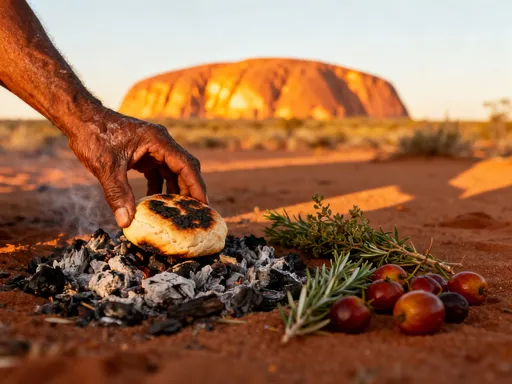
Another must-try is **damper bread cooked in coals**. Traditionally made by mixing flour, water, and sometimes crushed wattleseed, damper is shaped into a round loaf and baked in the ashes of a fire. The result is a rustic, smoky bread with a crisp exterior and soft interior. When served warm with butter or native herb spread, it becomes a comforting centerpiece of any meal. For many visitors, breaking bread in this way—literally and figuratively—feels like a gesture of welcome and inclusion.
Desserts in Uluru’s culinary repertoire are equally memorable. **Wattleseed and lemon myrtle custard** is a modern classic, blending the nutty depth of roasted wattleseed with the bright citrus of lemon myrtle. Served chilled, often with a sprinkle of native berry crumble, it offers a uniquely Australian take on crème brûlée. The flavor is both familiar and exotic, a perfect metaphor for the fusion of tradition and innovation happening in native cuisine today.
Beverages also play a key role. **Native herbal teas**, made from leaves like anise myrtle or raspberry bush, are caffeine-free and soothing, ideal for cool desert evenings. Cold drinks infused with **quandong** or **kakadu plum** offer a refreshing tartness, often sweetened lightly with honey or native sugarbag (bush honey). These drinks are not only delicious but also rich in antioxidants, aligning with a growing global interest in functional foods.
For those willing to venture beyond the familiar, dishes like **emu egg omelet** or **bush honey glazed roasted vegetables** provide even deeper immersion. Emu eggs, large and dark green, have a rich, creamy yolk that stands up well to bold flavors. Bush honey, collected from native bees, has a floral, earthy complexity that elevates simple preparations into something extraordinary.
Personal tasting notes from seasoned visitors often highlight the unexpected depth of flavor. “I thought it would taste like survival food,” one traveler shared, “but it tasted like art.” This sentiment captures the essence of Uluru’s cuisine: it is humble in origin but profound in execution, a testament to the ingenuity and resilience of the Anangu people.
Cultural Food Tours – Eating with Meaning
One of the most transformative ways to experience Uluru’s cuisine is through guided cultural food tours led by Anangu elders. These walks are not culinary safaris; they are acts of cultural sharing. Participants move slowly through the landscape, learning to see the desert not as empty, but as abundant. Every plant has a name, a purpose, and a story.
On a typical tour, visitors might learn to identify the low-growing **pigface** plant, whose succulent leaves are salty and crisp, perfect for salads. Or they might discover the **witchetty bush**, the roots of which can be roasted and eaten, tasting similar to sweet potato. The guides explain not only what is edible but when and how to harvest it—teaching seasonal awareness and respect for regeneration cycles.
Storytelling is woven throughout these experiences. A guide might share a Dreamtime story about the **Seven Sisters**, a constellation linked to a journey across the land, explaining how certain plants were left behind as markers along the way. Another might describe how **kangaroo tracks** in the sand once signaled the presence of water, connecting animal behavior to survival knowledge. These narratives deepen the connection between food, land, and cosmology.
Ethical engagement is central to these tours. Visitors are taught to take only what is needed, to avoid overharvesting, and to always ask permission—even from the land itself. This reflects the Anangu principle of **Tjukurpa**, the sacred law that governs all aspects of life, including environmental stewardship. By participating respectfully, guests become temporary custodians, learning to walk lightly and listen closely.
Many tours conclude with a shared meal, often prepared using traditional tools like coolamons (wooden carriers) and stone grinders. The act of eating together reinforces community values and creates space for questions, laughter, and mutual understanding. It’s not uncommon for visitors to leave feeling emotionally moved, not just by the flavors, but by the generosity of spirit on display.
These tours also challenge common misconceptions. They show that Aboriginal knowledge is not primitive, but highly sophisticated—refined over tens of thousands of years of observation and adaptation. In an era of climate change and food insecurity, such wisdom holds valuable lessons for the world.
Cooking It Yourself – Bringing Uluru Home
While nothing can fully replicate the experience of eating at Uluru, it is possible to bring a piece of its cuisine into your own kitchen. With growing interest in native foods, many ingredients once available only in remote regions are now accessible online or in specialty stores. This opens the door for home cooks to explore and honor Aboriginal culinary traditions in their own way.
Sourcing native ingredients responsibly is the first step. Look for suppliers who partner with Aboriginal communities and ensure fair compensation. Wattleseed, lemon myrtle, and bush tomato are widely available as dried powders or spice blends. Kakadu plum and quandong can be found in freeze-dried form or as concentrates. Always check labels for authenticity and ethical sourcing—avoid products that exploit cultural symbols without giving back.
Simple recipes can introduce these flavors gradually. Try making **wattleseed damper** by mixing 2 cups of flour with 1 tablespoon of ground wattleseed, a pinch of salt, and enough water to form a dough. Bake it in a hot oven or on a grill until golden. Serve with butter and a drizzle of native honey for a taste of the outback.
For a savory dish, create a **bush tomato and lemon myrtle rub** for grilled chicken or fish. Combine dried bush tomato flakes, crushed lemon myrtle leaves, a touch of pepperberry, and olive oil. Massage into the protein before cooking. The result is aromatic, slightly tangy, and deeply satisfying.
Desserts are another excellent avenue. Make a **quandong compote** by simmering freeze-dried quandong in water with a little honey until soft. Serve over yogurt or ice cream, garnished with crushed native nuts. Or infuse milk with lemon myrtle to make a custard base, then stir in wattleseed for a rich, earthy finish.
When experimenting, it’s important to honor the cultural context. Avoid calling dishes “Aboriginal” unless they are prepared using traditional methods and with permission. Instead, describe them as “inspired by” or “featuring native Australian ingredients.” This small shift in language shows respect and acknowledges the living cultures behind the food.
Building a native pantry doesn’t require a complete overhaul. Start with one or two spices and learn their flavors. Over time, you’ll develop a deeper appreciation—not just for the taste, but for the knowledge systems that made them possible.
Why This Matters – Food as Cultural Preservation
The rise of interest in Uluru’s cuisine is about more than culinary trends—it is part of a broader movement toward cultural recognition and reconciliation. For too long, Aboriginal knowledge was dismissed or erased. Today, the global appreciation of bush tucker represents a quiet but powerful reclamation. When people seek out native foods, they are not just feeding themselves—they are supporting Indigenous livelihoods, preserving languages, and honoring ancient wisdom.
Culinary tourism plays a vital role in this shift. Every meal served by an Aboriginal-owned business strengthens economic independence. Every visitor who listens to a Dreamtime story while eating contributes to cultural continuity. And every child who sees their heritage valued on a menu gains pride in their identity.
Moreover, native foods offer sustainable solutions for the future. Adapted to Australia’s extreme conditions, they require less water, resist pests naturally, and thrive without chemical inputs. As climate change challenges conventional agriculture, these resilient plants may hold answers for food security both locally and globally.
The future of Australian native cuisine is bright. Chefs in Sydney, Melbourne, and even overseas are incorporating wattleseed, lemon myrtle, and kakadu plum into fine dining menus. Supermarkets are beginning to stock native spice blends. Yet, it is essential that this growth remains ethical—that profits flow back to the communities who stewarded these plants for millennia.
In the end, a meal at Uluru is more than flavor. It is an invitation to listen, to learn, and to connect. It reminds us that food is never just fuel—it is memory, identity, and relationship. When you taste bush tucker, you are not a tourist. You are a guest. And in accepting that role with humility and respect, you become part of a story that has been unfolding for over 60,000 years.