You Won’t Believe What I Found in Nuremberg’s Hidden Public Spaces
Walking through Nuremberg, I wasn’t just touring a historic city—I was uncovering stories hiding in plain sight. Beyond the castle and old walls, the real magic lives in its public spaces: quiet courtyards, riverside paths, and market squares buzzing with life. These spots aren’t just for locals—they shape how we connect with a place. What makes some spaces feel alive while others fall flat? My journey revealed how design, history, and daily life blend to create something truly special. In a world where travel often means checking off landmarks, Nuremberg taught me to slow down and notice the in-between moments—the bench by the water, the sunlit alley, the shared laughter in a courtyard. These are the places where memory forms, not because they’re grand, but because they feel real.
First Impressions: A City That Feels Lived-In
Arriving in Nuremberg by train, the first thing one notices is how seamlessly the city blends past and present. The Hauptbahnhof, though modern in function, opens directly into a streetscape of timber-framed buildings and cobbled lanes, as if history never left. As I stepped into the flow of pedestrians, I was struck not by monuments, but by the rhythm of daily life unfolding in public view. Commuters paused at kiosks for coffee, children ran ahead toward the tram lines, and delivery bikes wove through narrow alleys. The city didn’t feel like a museum—it felt inhabited, cared for, and alive.
What sets Nuremberg apart is its thoughtful integration of public space into the urban fabric. Unlike cities where historic centers are preserved behind glass or separated from modern life, here the old walls cradle a living community. Public plazas are not merely decorative—they serve as connectors, gathering spots, and breathing rooms between buildings. Even the transit hubs are designed with people in mind: wide sidewalks, clear signage, and small green pockets where travelers can pause. This balance of accessibility and charm creates a sense of ease, making navigation intuitive and enjoyable.
The sensory experience deepens this impression. In the morning, sunlight filters through linden trees lining the streets, casting dappled shadows on stone. By midday, the air carries the scent of fresh pretzels from street vendors and the faint metallic hum of trams gliding over rails. In the evening, soft lighting warms the facades of half-timbered houses, and the distant sound of accordion music drifts from a café terrace. These details don’t shout for attention—they simply exist, contributing to a quiet harmony that invites presence rather than performance.
Well-designed public spaces matter because they shape how we experience a city. They influence our mood, our pace, and our sense of belonging. In Nuremberg, these spaces don’t feel imposed or artificial; they’ve evolved organically, shaped by centuries of use. This authenticity is rare, especially in tourist-heavy destinations where authenticity is often staged. Here, it’s real—worn into the cobblestones, embedded in the routines of residents, and visible in the way people move through the city with purpose and comfort.
Hauptmarkt: Where History Meets Daily Life
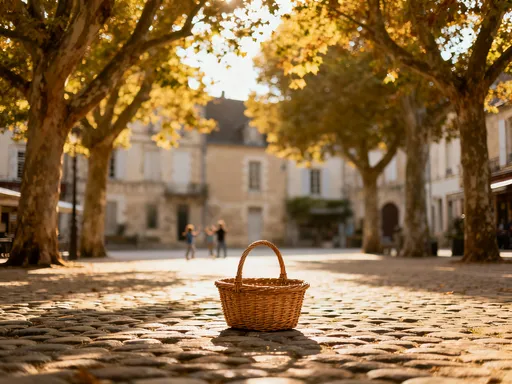
The heart of Nuremberg’s public life beats strongest in the Hauptmarkt, the central square that has served as a marketplace for over 600 years. By day, it’s a vibrant hub of commerce and connection. Farmers arrange baskets of apples, honey, and fresh herbs on wooden stalls. Locals stop by on their way to work, exchanging greetings with vendors they’ve known for years. Outdoor seating spills from cafés, where people sip coffee and watch the morning unfold. The Schöner Brunnen, a 14th-century fountain adorned with gilded figures, stands at the center, its presence both ornamental and symbolic—a reminder of the city’s enduring civic pride.
What makes the Hauptmarkt exceptional is its dual identity: it’s both historic and deeply functional. While many European squares become performance spaces for tourists during peak season, Nuremberg’s main market retains its authenticity. Even during the world-famous Christkindlesmarkt, when the square fills with wooden huts and twinkling lights, it doesn’t lose its soul. The seasonal transformation feels like an extension of daily life, not a theatrical overlay. Families return year after year to the same stalls, children peer into glass cases of handmade ornaments, and elders sip glühwein under woolen scarves. The market isn’t just an event—it’s a tradition rooted in community.
The design of the square supports this continuity. Its open layout allows for flexible use—farmers’ markets on Tuesdays and Saturdays, holiday bazaars in December, and quiet strolls any day in between. Pedestrian access is prioritized, with no vehicular traffic to disrupt the flow. Benches and low walls provide informal seating, encouraging people to linger. The surrounding buildings, with their colorful facades and arched doorways, frame the space without overwhelming it. Scale matters here: the square is large enough to host crowds, yet intimate enough to feel human.
Social behavior in the Hauptmarkt reflects a culture of shared ownership. People don’t just pass through—they participate. They greet neighbors, pause to pet dogs on leashes, or stand in line at the bratwurst stand with quiet patience. There’s no rush, no pressure to consume or perform. This ease is not accidental; it’s cultivated by a city that values public space as a commons, not a commodity. The result is a square that feels welcoming to all—locals and visitors, young and old, shoppers and observers alike.
The Hidden Courtyards of the Old Town
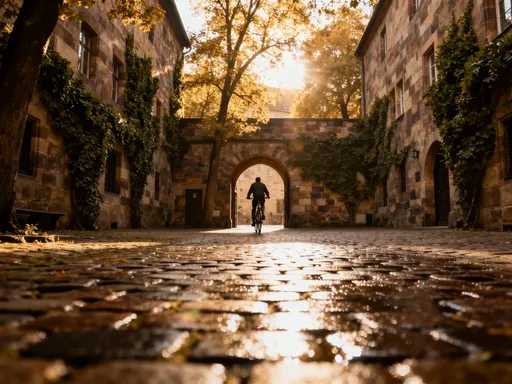
Just beyond the bustling streets of the Altstadt lie some of Nuremberg’s best-kept secrets: the hidden courtyards tucked behind medieval buildings. These semi-public spaces, often accessed through narrow archways or unmarked doors, offer a striking contrast to the city’s lively squares. Stepping into one feels like entering a private world—quiet, green, and dappled with sunlight. Vines climb weathered stone walls, potted plants line the edges, and the only sounds are birdsong and the occasional footstep on gravel. These courtyards are not designed for spectacle; they exist for stillness.
Many of these spaces date back to the 15th and 16th centuries, originally serving as inner yards for merchant homes or guildhouses. Over time, as buildings were repurposed, some courtyards remained accessible to the public, either through open gates or shared access routes. Today, they function as urban oases—small sanctuaries where one can pause, breathe, and reconnect with a slower rhythm. Unlike formal parks, they don’t announce themselves. Discovery is part of their charm. You don’t find them on maps; you stumble upon them, almost by accident, and feel rewarded for your curiosity.
One such courtyard, nestled behind a row of shops near Weißgerbergasse, surprised me with its lush greenery and central well. A few wrought-iron benches invited rest, and the air carried the scent of damp earth and blooming ivy. A woman sat reading, her bag beside her, completely at ease. No signs warned against entry; no barriers restricted access. This openness speaks to a deeper cultural value: the belief that beauty and tranquility should be shared, not privatized. These spaces are maintained not for tourism, but for daily life—proof that even in a dense historic city, room can be made for quiet.
Preservation efforts play a quiet but vital role. While the city does not actively promote these courtyards as attractions, it supports their upkeep through building codes and heritage regulations. Property owners are encouraged to maintain access and preserve original features, ensuring that these spaces remain functional and authentic. The result is a network of hidden gems that enrich the urban experience without being exploited. For the mindful traveler, they offer a chance to see Nuremberg not as a destination, but as a place where people live, work, and find moments of peace.
Pegnitz River Promenades: A Linear Oasis
Flowing through the heart of the city, the Pegnitz River is more than a geographic feature—it’s a thread that stitches Nuremberg’s public spaces together. Along its banks, a network of promenades invites walking, cycling, and quiet contemplation. These paths are not grand or ornate; they are simple, well-maintained, and deeply integrated into daily life. In the early morning, joggers move in steady rhythm. By afternoon, families stroll with strollers, and cyclists glide along dedicated lanes. In the evening, couples sit on benches, watching the water reflect the fading light.
What makes the riverfront special is its accessibility. Unlike rivers in some cities that are walled off or elevated, the Pegnitz is close to street level, with gentle slopes and frequent access points. Wooden footbridges connect neighborhoods, and small stairs lead down to the water’s edge. This proximity creates intimacy—people don’t just view the river; they engage with it. Children dip their hands in the current, dogs splash at the banks, and anglers cast lines with quiet focus. The water itself is clean and clear, a testament to environmental stewardship and urban planning that values natural elements.
Design details enhance the experience. Benches are placed at intervals, often facing the water or shaded by trees. Lighting is subtle—low bollards that guide without glaring, preserving the night’s softness. Plantings include native shrubs and grasses, which support biodiversity and reduce maintenance needs. In spring, cherry trees bloom along certain stretches; in autumn, golden leaves float on the current. These seasonal changes remind visitors that nature is not separate from the city, but part of its rhythm.
The promenades also serve as connectors, linking major sites like the Imperial Castle, the Germanisches Nationalmuseum, and the old town. But their value isn’t just functional—they offer a different way of moving through the city. Walking along the river slows you down. The sound of water, the rustle of reeds, the coolness in the air—all encourage mindfulness. For residents, these paths are part of routine; for visitors, they offer a chance to see Nuremberg from a new angle, not as a series of landmarks, but as a living landscape shaped by water, time, and care.
Playgrounds and Parks: Spaces for Everyone
Nuremberg’s commitment to inclusive public space extends to its parks and playgrounds, where design serves people of all ages and abilities. Luitpoldhain, one of the city’s largest green spaces, exemplifies this philosophy. Once part of a 19th-century fortification system, it was transformed into a public park with wide lawns, tree-lined paths, and dedicated areas for play and recreation. Today, it’s a favorite among families, dog walkers, and those seeking quiet under the canopy of old oaks.
The playgrounds within Luitpoldhain and other neighborhoods reflect a thoughtful approach to inclusivity. Play structures are varied—some for climbing, others for spinning or balancing—catering to different developmental stages and interests. Surfaces are soft and accessible, allowing children using mobility devices to join in. Shaded seating surrounds each area, giving caregivers a comfortable place to watch. What stands out is the absence of overstimulation: no loud music, flashing lights, or plastic overload. Instead, the design favors natural materials—wood, sand, and stone—creating a calm, sensory-rich environment.
These spaces are not just for children. Nearby, you’ll find fitness stations for adults, picnic areas, and open fields where seniors practice tai chi or play boules. The park becomes a stage for intergenerational interaction—grandparents pushing strollers, teens playing frisbee, toddlers chasing ducks. This mix is intentional. By designing for all ages, the city fosters social cohesion and community pride. Maintenance is consistent: trash is collected, paths are swept, and plants are trimmed. These details signal respect—for the space, for its users, and for the idea that public areas should be dignified and welcoming.
Green spaces like Luitpoldhain contribute to urban well-being by offering respite from density and noise. They provide room to move, breathe, and reconnect with nature. While Nuremberg doesn’t make exaggerated health claims about its parks, their presence speaks volumes. They are not afterthoughts; they are essential infrastructure. For families, they offer safe, free places to spend time together. For individuals, they provide solitude or connection, depending on need. In a city that honors both history and modern life, these parks represent a quiet commitment to quality of life.
How Design Shapes Experience
Behind Nuremberg’s inviting public spaces lies a set of unspoken design principles that shape how people move, linger, and connect. These are not dictated by flashy architecture or expensive materials, but by thoughtful choices that prioritize human experience. Scale is one of the most important factors. Buildings and spaces are designed to feel intimate, not overwhelming. Even large squares like the Hauptmarkt maintain a human proportion, with low-rise structures and defined edges that create a sense of enclosure and safety.
Materials matter too. Cobblestones, timber frames, and local stone are not just aesthetic choices—they connect the city to its history and environment. These surfaces age gracefully, gaining character over time. Even modern additions, like benches or bike racks, are chosen to complement rather than contrast. This continuity reinforces a sense of place, making the city feel cohesive and rooted. There’s no attempt to impress with novelty; instead, there’s a quiet confidence in tradition and craftsmanship.
Seating is another subtle but powerful element. Benches are placed not just at random, but where people naturally pause—near entrances, along views, or in patches of sunlight. Their placement encourages conversation and observation. Some face the street, others the greenery, allowing users to choose their level of engagement. This flexibility respects individual preference while fostering social connection. Similarly, wayfinding is intuitive. Signage is clear but unobtrusive, using simple typography and consistent colors. Paths are well-lit and clearly marked, making navigation easy even for first-time visitors.
These design choices reflect a deeper philosophy: that public space should serve people, not just look good in photographs. They invite participation rather than passive observation. A bench isn’t just a place to rest—it’s an invitation to stay awhile. A courtyard isn’t just a leftover space—it’s a chance to discover. A riverside path isn’t just a route—it’s an experience. By focusing on comfort, accessibility, and beauty in equal measure, Nuremberg creates spaces that feel earned, not engineered. They don’t shout for attention; they simply welcome you in.
Lessons for Travelers and Cities Alike
Nuremberg’s public spaces offer more than aesthetic pleasure—they provide a model for how cities can foster connection, comfort, and continuity. What makes them remarkable is not their grandeur, but their authenticity. They are not designed for Instagram moments, but for daily life. They welcome not just tourists, but residents, workers, children, and elders. In a world where urban environments often feel alienating or transient, Nuremberg reminds us that public space can be a source of belonging.
For travelers, the lesson is simple: slow down. Look beyond the guidebook highlights. Step into the courtyards, walk along the river, sit in the market square with a coffee. These are the places where a city reveals itself—not in monuments, but in moments. They teach us to notice the details: the way light falls on a wall, the sound of a fountain, the smile of a stranger. Travel becomes richer when it’s not about collecting sights, but about feeling present.
For cities, the message is equally clear. Great public spaces are not built overnight. They grow from a commitment to people, history, and long-term care. They require investment, yes, but more importantly, they require vision—a belief that shared spaces matter. Nuremberg shows that even in a historic city, modern needs can be met without sacrificing character. The balance is possible. It lies in respecting the past while designing for real, everyday use.
In the end, public spaces are quiet storytellers. They speak of values—of community, of beauty, of care. In Nuremberg, they tell a story of resilience, continuity, and warmth. They invite us not just to visit, but to belong, if only for a moment. And in that invitation lies their true magic.